





Certified Medical Waste Disposal Providers Serving Glendale
Every provider in the Medical Waste Pros Glendale network holds the certifications that California’s healthcare facilities and regulated waste generators require. Our providers maintain ISO 14001 Environmental Management System certification, documenting systematic environmental protection across collection, transport, and treatment. ISO 45001 Occupational Health and Safety certification governs worker safety throughout the disposal process. ISO 9001 Quality Management System certification ensures consistent, auditable service delivery. Providers holding membership in the Healthcare Waste Institute (HWI) follow industry best practices for the responsible management of infectious and hazardous healthcare waste. All providers hold current County Department of Public Health (CDPH) transporter licenses under California’s Medical Waste Management Act.
California’s MWMA for Glendale’s Diverse Healthcare Community
California regulates medical waste under the Medical Waste Management Act (MWMA), Health and Safety Code Sections 117600–118360, with the Los Angeles County Department of Public Health serving as the Local Enforcement Agency (LEA) for Glendale generators. Glendale’s healthcare community includes dozens of small independent medical and dental practices alongside its larger hospital systems. Here is what every Glendale generator needs to understand:
Register with LA County DPH — Whether You Are an LQG or SQG
California divides generators into Large Quantity Generators (LQGs) generating 200 pounds or more of medical waste per month and Small Quantity Generators (SQGs) generating less. All generators must register with LA County DPH as LEA. Most of Glendale’s independent physician offices, dental practices, and community health clinics are SQGs, but SQG status does not exempt a facility from registration, handling, or transport requirements — it only affects the Medical Waste Management Plan submission obligation, which LQGs must complete and submit to the LEA. Many small practices in Glendale’s ethnic healthcare community do not realize that registration is required regardless of generation volume. All generators must also maintain records and have those records available for LA County inspection.
Segregate, Package, and Label at the Point of Generation
The MWMA requires medical waste to be separated from regular trash at the point it is generated. Sharps go immediately into rigid, puncture-resistant, leak-proof containers labeled with the biohazard symbol. Non-sharps biohazardous waste — blood-saturated materials, microbiological cultures, pathological specimens — goes into red, moisture-resistant bags inside a secondary container. All containers must display the biohazard symbol. Facilities generating less than 20 pounds of biohazardous waste per month may store it for up to 30 days; higher-volume generators must arrange more frequent pickups or refrigerate the waste. Sharps containers may be stored for 30 days once full. The OSHA Bloodborne Pathogen Standard (29 CFR § 1910.1030) applies to all Glendale employers with workers who may be exposed to blood or potentially infectious materials.
Use Only CDPH-Licensed Transporters
All off-site medical waste transport from any Glendale facility must use a CDPH-licensed medical waste transporter. Generators retain cradle-to-grave responsibility: if the transporter fails to deliver waste to a permitted treatment facility, the generating practice bears liability. Requesting documentation confirming proper treatment is standard practice. The Department of Transportation’s (DOT) Hazardous Materials Regulations (49 CFR Parts 171–180) govern transport packaging and vehicle requirements.
Pharmaceuticals: Two Agencies, Two Pathways
Most pharmaceutical waste from Glendale’s medical and dental practices follows the CDPH’s medical waste pathway. Pharmaceuticals meeting the Resource Conservation and Recovery Act’s (RCRA) P-list or U-list criteria are hazardous waste regulated by the Department of Toxic Substances Control (DTSC) under California’s Hazardous Waste Management Act — a separate compliance pathway with its own disposal and record-keeping requirements. Dental offices using glutaraldehyde or OPA sterilizing solutions should determine whether their waste is hazardous under DTSC’s criteria. California requires records for hazardous waste to be retained for seven years. Controlled substance disposal follows Drug Enforcement Administration (DEA) requirements.
Glendale Shredding Company Network Statistics
Commercial vs Residential Shredding in Glendale
Average Local Shredding Order Size
Businesses/large organizations and high-volume residential customers are matched to Glendale-area shredding companies with the required certifications and service offerings.
| Shredding Customer | Average # of Boxes |
|---|---|
| Business and Government | 1.15 |
| Residential and Home Office | 1 |
| Small Volume Drop-Off | 1 |
| Local Shredding Drop-Off Sites | 7 |
Most Popular Industries Served
| Healthcare Systems |
| Medical and Surgical Centers |
| Clinics and Community Health Centers |
Industry Spotlight: Glendale’s Armenian-American Community Healthcare Ecosystem
No feature of Glendale’s medical waste market is more locally specific than the healthcare ecosystem built by and for its Armenian-American community — the world’s most demographically concentrated Armenian diaspora outside Armenia, representing roughly 40% of the city’s population. Over decades of settlement, Glendale’s Armenian community has built a parallel healthcare infrastructure that mirrors the full range of medical services including Armenian-language pharmacies, home health agencies serving Armenian-speaking seniors and community health organizations including the Armenian American Medical Society (AAMS), which has hosted the annual Glendale Health Festival for 14 consecutive years. Each of the independent physician and dental offices serving this community is a registered medical waste generator subject to California’s Medical Waste Management Act (MWMA). Many are Small Quantity Generators whose Local Enforcement Agency (LEA) registration, segregation procedures, and transporter arrangements must be in place regardless of their generation volume.
The Armenian community’s senior population — Glendale’s 18.4% share of residents aged 65 and older generates long-term care and home health regulated medical waste (RMW) across the assisted living facilities and residential care homes that have grown throughout the city to serve this population. Medical Waste Pros connects doctor offices and clinics and long-term care and hospice programs throughout Glendale’s ethnic healthcare community with certified local providers offering biohazardous waste disposal and pharmaceutical waste disposal programs.
Our Most Commonly Requested Medical Waste Disposal Services
Our network of certified local providers can handle virtually any medical waste disposal need. Here are the most commonly requested services in our Glendale network:
Medical Waste Disposal for Adventist Health Glendale and the City’s Hospital Network
Adventist Health Glendale is the largest medical facility in Glendale and a major employer in the community. It generates substantial regulated medical waste (RMW) across its acute care, oncology, cardiovascular, and emergency services. Dignity Health Glendale Memorial Hospital and Health Center adds a second acute care campus to Glendale’s inpatient infrastructure, and USC Verdugo Hills Hospital — part of the USC/Keck Medicine system — serves the northern Glendale and La Crescenta communities. Providence Saint Joseph Medical Center in neighboring Burbank serves many Glendale residents as well, and the dense network of outpatient specialty practices throughout Glendale generates RMW that collectively rivals the hospital volumes. Medical Waste Pros connects hospitals and surgery centers throughout Glendale with certified local providers offering scheduled medical waste disposal with County Department of Public Health (CDPH)-licensed transport and LA County Local Enforcement Agency (LEA) documentation compliance. Learn more about biohazardous waste disposal services for healthcare facilities.
Pharmaceutical Waste Disposal and Medication Disposal for Glendale Facilities
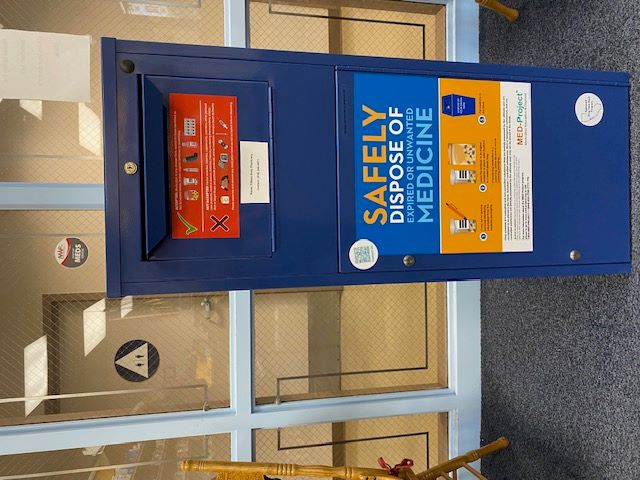
Glendale’s pharmaceutical waste landscape is shaped by the density of its community pharmacy network and its growing long-term care sector serving a senior population that includes many elderly Armenian-American and other immigrant community residents. Non-hazardous pharmaceutical waste follows California’s County Department of Public Health (CDPH) medical waste pathway. Hazardous pharmaceutical waste meeting Resource Conservation and Recovery Act (RCRA) criteria requires the separate Department of Toxic Substances Control (DTSC) pathway, with California’s seven-year records retention for hazardous waste. Controlled substance disposal follows Drug Enforcement Administration (DEA) requirements. Medical Waste Pros connects pharmacies and pharmaceutical companies and long-term care facilities and hospice programs with Glendale providers offering pharmaceutical waste disposal and controlled substance destruction.
Medical Waste Disposal for Glendale’s Ethnic Community Health Practices
As described in the industry spotlight above, Glendale’s Armenian-American community has built a comprehensive healthcare ecosystem of independent physician offices, dental practices, mental health providers, home health agencies, and community health clinics. These small and mid-size practices generate regulated medical waste (RMW) continuously from clinical services and are subject to the full California Medical Waste Management Act (MWMA) framework regardless of their generation volumes. Glendale’s Iranian, Korean, Filipino, and Hispanic communities have similarly established community-serving health practices throughout the city — creating a generator landscape dominated by small independent providers whose Local Enforcement Agency (LEA) registration, waste segregation, storage, and transporter arrangements must all be properly established and maintained. Medical Waste Pros connects doctor offices and community clinics and dental practices throughout Glendale’s diverse healthcare community with certified local providers offering biohazardous waste pickup and sharps disposal programs scaled for smaller independent practices. Learn more about medical waste disposal for businesses under California’s MWMA.
Medical Waste Disposal for Glendale’s Entertainment Studios and Corporate Campus Health Programs
Glendale is home to a substantial segment of the American animation and entertainment industry. Walt Disney’s Grand Central Creative Campus houses Disney Consumer Products, Disney Interactive, Marvel Animation, The Muppets Studio, and the Animation Research Library. DreamWorks Animation maintains its headquarters in Glendale. These corporate campuses employ thousands of creative professionals and support staff whose occupational health programs generate sharps and blood-contaminated materials subject to California’s Medical Waste Management Act (MWMA). California does not exempt corporate health clinics from MWMA requirements because their employer is a media or entertainment company rather than a healthcare organization. Medical Waste Pros connects corporate campus health clinics and occupational health programs at Glendale’s studios and corporate employers with certified local providers offering medical waste disposal and sharps disposal programs sized for corporate health settings.
Glendale’s combination of a hospital system with two additional acute care campuses nearby, a uniquely dense ecosystem of ethnically diverse independent health practices, the Armenian-American community’s parallel healthcare infrastructure serving one of the most concentrated immigrant communities in the country, and the occupational health programs of major animation and entertainment studios creates a medical waste profile that is more varied and community-rooted than most California cities of comparable size. Medical Waste Pros makes it straightforward to find a certified local provider who understands California’s MWMA, LA County DPH’s LEA registration process, the CDPH–DTSC pharmaceutical split, and the specific waste streams your facility generates. Get a free quote to get started.