

The OSHA Bloodborne Pathogens Standard Explained


In workplaces where employees are at risk of blood exposure or other potentially infectious materials (OPIMs), ensuring their safety is a top priority. The Occupational Safety and Health Administration (OSHA) has established a crucial regulation known as the Bloodborne Pathogen Standard to protect workers from the dangers of diseases like Human Immunodeficiency Virus (HIV), Hepatitis B, and Hepatitis C. From the nurses drawing blood to the tattoo artists creating masterpieces, this standard ensures safety for countless lives.
In this blog, we’ll cover what OSHA’s Bloodborne Pathogens Standard is, its past amendments, the safeguards it includes, who it applies to, and how to ensure you’re staying compliant. Read on or watch the video at the end of this blog to learn more.
What Is the Bloodborne Pathogens Standard?
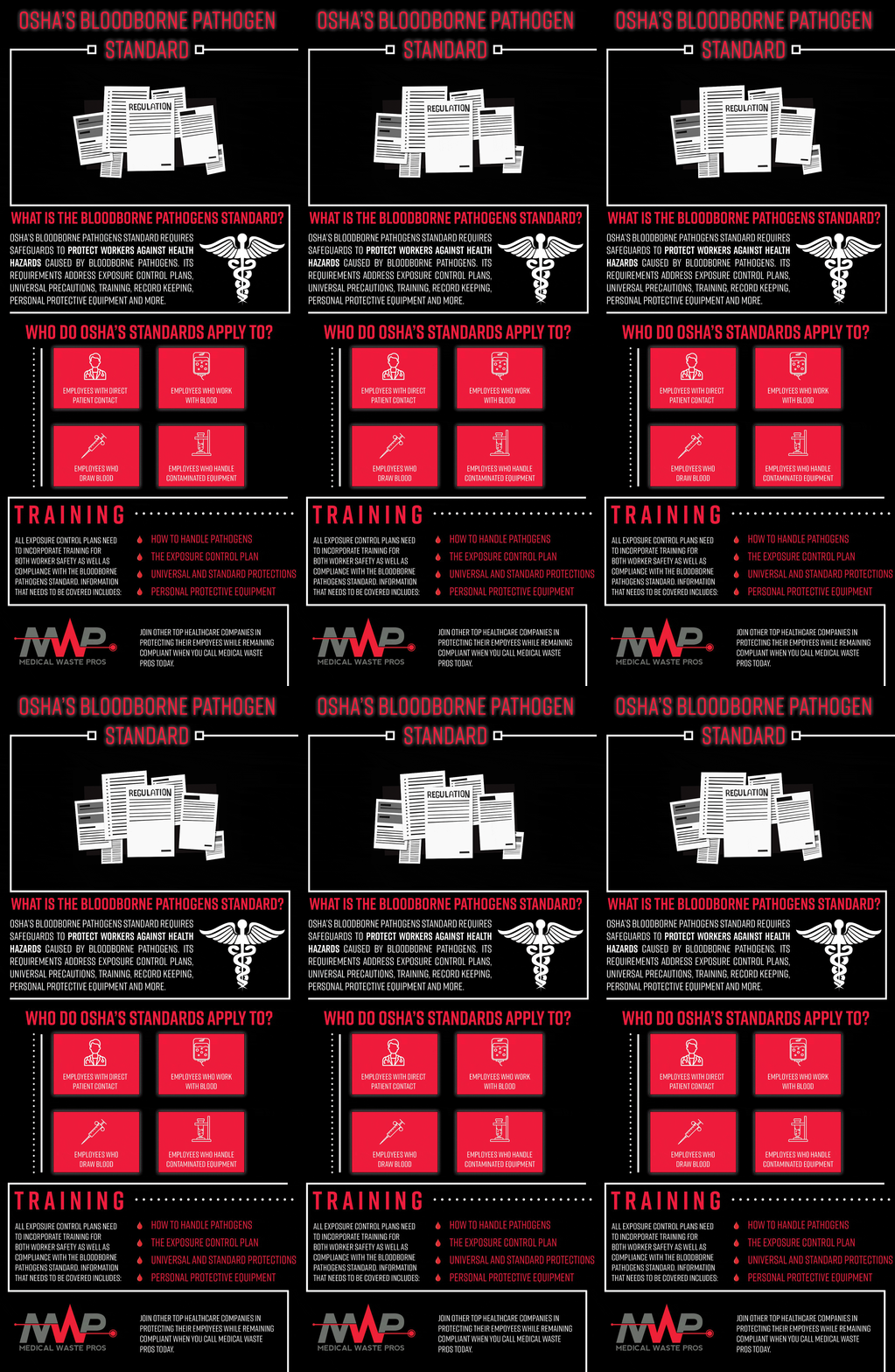
As amended by the Needlestick Safety and Prevention Act of 2000, OSHA’s Bloodborne Pathogens standard lays out a wide range of safeguards designed to protect employees from exposure to infectious materials like blood, body fluids, unfixed human tissues, and other potentially infectious materials.
The Bloodborne Pathogens standard requires using a combination of protections including:
- Exposure control plans
- Universal and standard precautions (UP/SP)
- Vaccinations
- Personal protective equipment (PPE)
- Annual employee training
What Is the Needlestick Safety and Prevention Act?

Since sharps injuries are still a serious and recurring issue in healthcare today, the Needlestick Safety and Prevention Act was added to OSHA’s Bloodborne Pathogens standard in 2000.
The Needlestick Safety and Prevention Act is designed for implementing sharps-specific protections, including:
- Using needleless injection devices
- Adopting sharps with engineered protections
- Maintaining a sharps injury log
What Are Bloodborne Pathogens?
Bloodborne pathogens are infectious organisms in blood that can cause disease in humans if they’re exposed to them. Types of pathogens include:
- Hepatitis B (HBV)
- Hepatitis C (HCV)
- Human Immunodeficiency Virus (HIV)
- OPIMs (Other Potentially Infectious Materials)
They can be transmitted through needlestick injuries, direct contact between broken skin or mucous membranes, or sharing needles or other equipment contaminated with blood.
What Are OPIMs?

OPIMs are bodily fluids, tissues, and organs that can potentially spread infection through direct contact. Healthcare workers and any other related field are at risk of exposure and must take proper precautions, including using PPE and following safe handling and disposal procedures. There are three main categories of other potentially infectious materials:
Body Fluids
- Semen
- Vaginal secretions
- Cerebrospinal fluid
- Synovial fluid
- Pleural fluid
- Pericardial fluid
- Peritoneal fluid
- Amniotic fluid
- Body fluids contaminated with blood
Unfixed Tissues/Organs
- Tissues and organs from humans living or dead (not including dead skin)
Contaminated Materials
- Cell or tissue cultures containing HIV
- Organ cultures
- Cultures and other solutions containing HIV or HBV
Where Does OSHA’s Bloodborne Pathogens Standard Apply?
The Bloodborne Pathogens Standard applies to all employees who may be reasonably anticipated to contact blood or other pathogens. To be more specific, there are four main groups of workers who employers will need to provide protections for:
- Employees with direct patient contact
- Employees who draw blood
- Employees who work with blood and other fluids
- Employees who handle contaminated medical equipment
How to Ensure Compliance With the Bloodborne Pathogens Standard

Taking steps like using PPE to reduce the risk of bloodborne pathogens exposure in the workplace is important both for employee protection as well as compliance with OSHA’s Bloodborne Pathogens standard.
Aside from PPE, compliance also requires implementing an exposure control plan with details on other employee protections like vaccinations, engineering and work practice controls, and annual employee training.
Implementing Universal, Standard, and Transmission-Based Precautions
The Bloodborne Pathogens standard includes three key approaches to infection control: universal, standard, and transmission-based precautions.
Universal Precautions (UP)
Initially implemented in the 1980s, UP is an approach to infection control where blood and specific body fluids are considered infectious. While UP is included in the Bloodborne Pathogens standard, it’s no longer used on its own.
Standard Precautions (SP)
Introduced in 1996, SP adds more precautions to UP to protect workers from pathogens in not only blood and specific fluids, but also in OPIMs and other body fluids where UP doesn’t apply. SP requirements include PPE use, safe injection practices, and safe contaminated equipment management.
Transmission-Based Precautions (TBP)
TBP adds on to SP with extra protections for managing contact, droplet, and airborne-transmissible diseases. The different TBP types used vary depending on what’s known about a patient’s infection.
OSHA’s Requirements for Reducing Bloodborne Pathogen Exposure Risks
OSHA has a number of specific standards for reducing exposure risks. These standards include:
- Implementing a formal exposure control plan (ECP)
- Conducting annual employee training
- Using standard precautions (SP) during patient care
- Using personal protective equipment (PPE)
- Washing hands after patient care, removing PPE, or contacting OPIMs
- Using safer sharps and/or needleless devices
- Implementing controls like labeled containers for safely handling and disposing sharps
- Using red containers labeled as “infectious waste” with a biohazard symbol on them to dispose blood and OPIMs
- Ensuring all employees who are at risk receive hepatitis B vaccinations
- Implementing a post-exposure evaluation plan to follow up on any employee exposures to blood and OPIMs
Stay Prepared With Employee Training

All exposure control plans need to incorporate employee training both for worker safety as well as compliance with the Bloodborne Pathogens standard.
Information to cover during training includes:
- How to safely handle and dispose bloodborne pathogens
- The organization’s exposure control plan
- Universal and standard precautions (UP/SP)
- Personal protective equipment (PPE)
- Hazard communication practices
- The organization’s post-exposure follow-up plan
OSHA requires all employees to receive annual training on the Bloodborne Pathogens standard, regardless if they’ve been trained before.
Consequences for Non-Compliance
Failure to comply with OSHA’s Bloodborne Pathogen Standard can result in serious consequences for businesses. In addition to massive fines, failure to protect workers from bloodborne pathogens could result in lawsuits from employees who become infected. In extreme cases of willful violation leading to an employee’s death, criminal charges are possible.
Furthermore, businesses could lose contracts, as some clients or partners require OSHA compliance when doing business. A history of violations and worker illnesses could also lead to higher workers’ compensation premiums. Citations and fines can harm an organization’s reputation and relationships with stakeholders. Therefore, complying with workplace safety regulations is crucial for protecting worker health and avoiding these potentially severe consequences.
Compliant Disposal With Medical Waste Pros
Medical Waste Pros partners with a nationwide network of medical waste disposal and compliance training providers to help ensure you’re staying compliant with OSHA’s Bloodborne Pathogens standard. If you need support beyond this specific standard, our providers also help with empty pill bottles and controlled substances along with biohazardous, chemotherapy, and sharps waste.
Whether you’re in Atlanta or Los Angeles, our certified providers can help. For free quotes on sharps and medical waste disposal services, simply fill out the form to your right or give us a call at (888) 755-6370 today.