


The Guide to Disposing of Materials Contaminated With Blood
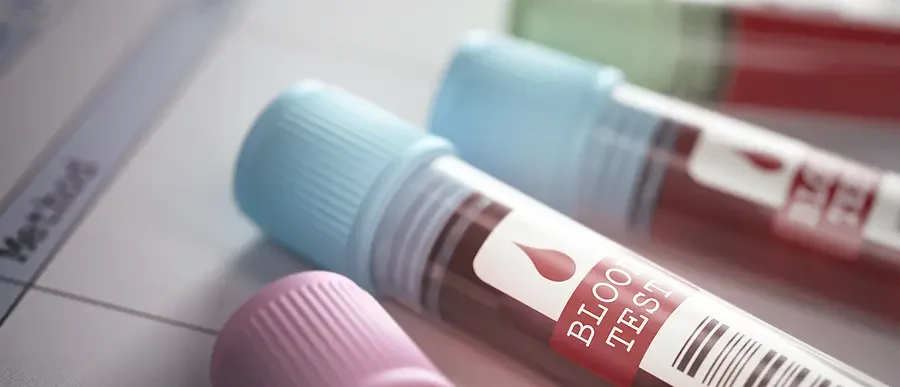
Blood, and materials contaminated with blood, create a health risk because of the harmful pathogens that may be present. If someone is exposed to bloodborne pathogens, they can contract serious and life-threatening illnesses. All blood waste should be handled carefully and with the proper procedures to prevent exposure to disease.
In this blog, we’ll go through blood waste classification, the risks of exposure, and what safe disposal looks like.
How to Classify Blood Waste
Medical waste is broken down into different categories. The type of waste you have dictates how it’s treated and disposed of. Prescription pill bottles, for example, can’t be recycled through normal recycling services. They require special companies to effectively recycle the material they’re made of. Everyday medications, on the other hand, can be disposed of in a few different ways. Segregating waste ensures proper treatment and safe disposal to prevent injury, environmental damage, and the spread of disease.
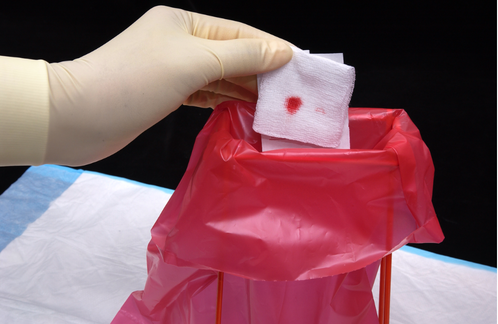
Blood waste — blood, blood products, or materials contaminated with blood that can be poured, dripped, or flaked off — falls into the regulated medical waste (RMW) category. This type of waste contains infectious or potentially infectious substances that local, state, and federal guidelines regulate.
Here are some examples of blood waste:
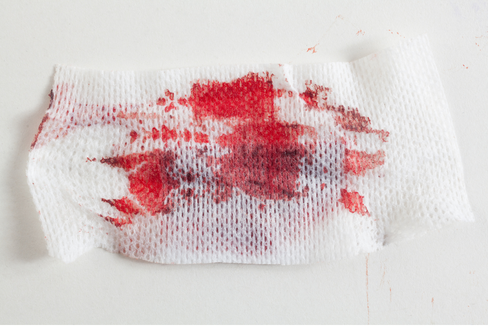
- Blood-soaked gauze or bandages
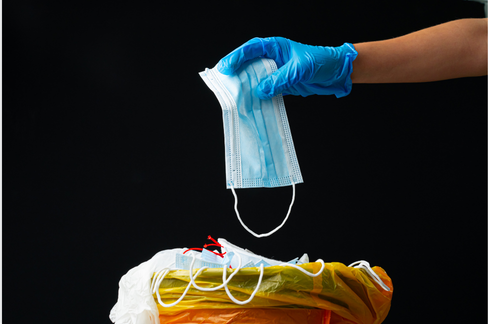
- Bloody gloves or other PPE
- Blood in tubes or suction canisters
- Needles, syringes, scalpels, or dental carpules containing blood
- Pathological and microbiological wastes containing blood
When determining if your materials are RMW, consider their potential to release blood rather than the volume of blood. Materials in the garbage are often compacted and the release of blood poses a significant health risk for janitorial and waste workers.
You must handle, manage, and dispose of RMW following the Occupational Safety and Health Administration’s (OSHA) Bloodborne Pathogens Standard and Standard Precautions to maintain legal compliance and health safety.
The Consequences of Improper Disposal
Violations of the Bloodborne Pathogens Standard are evaluated on a case-by-case basis. If evidence supports a violation, a citation and monetary penalties can be issued. All companies and organizations are responsible for employee and customer safety when it comes to biohazard exposure. In addition, human health is at serious risk if you don’t take the proper precautions.
How to Dispose of Materials Contaminated With Blood
Safe disposal begins with the generation of blood waste. Personal protective equipment (PPE) should be available when handling blood and bodily fluids. You should write an exposure control plan and communicate it to anyone handling blood or blood-contaminated materials, before handling. In the event of an exposure, you should document an evaluation and follow-up, as well as a hepatitis B vaccine you offer the individual.
Safe Handling, Storage, and Disposal
You should implement standard precautions while handling blood and other potentially infectious materials (OPIMs). According to OSHA’s Bloodborne Pathogens Standard, there are three aspects of precaution:
| Precaution Type | Details |
| Universal Precautions (UP) | Initially implemented in the 1980s, UP is an approach to infection control where blood and specific body fluids are considered infectious. While UP is included in the Bloodborne Pathogens standard, it’s no longer used on its own. |
| Standard Precautions (SP) | Introduced in 1996, SP adds more precautions to UP to protect workers from pathogens in not only blood and specific fluids, but also in OPIMs and other body fluids where UP doesn’t apply. SP requirements include PPE use, safe injection practices, and safe contaminated equipment management. |
| Transmission-Based Precautions (TBP) | TBP adds on to SP with extra protections for managing contact, droplet, and airborne-transmissible diseases. The different TBP types used vary depending on what’s known about a patient’s infection. |
Place all materials in FDA-approved waste containers that are puncture-proof, spill-proof, and include a locking lid. Attach warning labels to containers holding RMW, including sharps containers, refrigerators and freezers containing blood, and bags of contaminated laundry. Containers should be stored in a safe location away from the public.
Blood-contaminated materials can be treated by various methods to kill pathogens. Incineration, autoclaving, and microwave treatments sterilize and/or destroy materials. Then, any remaining waste goes to a landfill after treatment.
Employee Training
Ongoing employee training is key to maintaining compliance and safety when handling blood. Annual training fulfills mandatory regulations and keeps employees up-to-date on best practices.
Medical Waste Disposal Services
Professional medical waste management services ensure that they dispose of your blood waste properly. Licensed disposal companies offer training options and safe pickup, transportation, and disposal of your medical waste. A regular pick-up schedule prevents an accumulation of waste, and accidental spills, and minimizes the risk to your community.
Schedule Regulated Waste Disposal Services Today
If you’re looking for help with disposal for medical waste disposal, Medical Waste Pros can help. We have a nationwide network of experienced, compliant disposal providers who offer disposal services on your schedule and that fit your budget. From biohazardous and pharmaceutical waste to used sharps and pill bottle recycling, we’ve got your disposal needs covered.
Give us a call at (888) 755-6370 or fill out the form to learn more about our options. We will connect you with disposal companies in your area for free, no-obligation quotes.