


Does HIPAA Apply to Medical Waste?
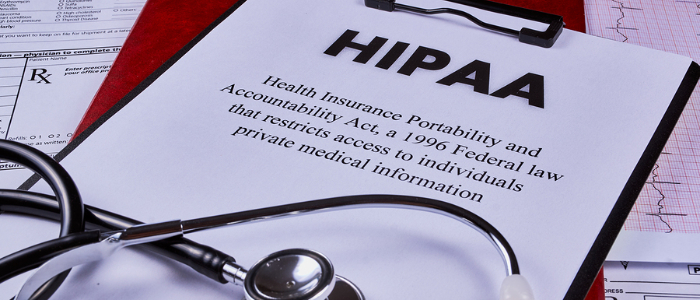
Since 1996, the Health Insurance Portability and Accountability Act (HIPAA) has been in place to protect the privacy of patient health information (PHI). In terms of what contains this information, medical records probably come to mind first. However, there are a number of different places where patient information can be found.
Certain types of medical waste can also contain PHI, which can make regulatory compliance more complicated for medical professionals. Because compliance is crucial for the healthcare industry, it’s important to know which types of medical waste may contain PHI.
Read on or watch the video at the end of this post to learn which types of medical waste should be handled in accordance with HIPAA.
What Is HIPAA?
When HIPAA was enacted, it required covered entities to implement any safeguards needed to protect the privacy of PHI in any form, with the aim to limit incidental and prohibited uses or disclosures of PHI. This applies to data destruction and disposal as well.
In addition, HIPAA gives patients rights over their health information, including the right to access their records and request corrections. Overall, the goal of HIPAA is to ensure PHI is properly protected, while still allowing the flow of health information needed to provide high-quality care.
HIPAA Noncompliance Penalties
Whether accidental or intentional, HIPAA violations will always come with financial penalties. In some cases, these penalties can equate to tens of thousands of dollars. When it comes to an organization’s intentional or repeated violations, the financial penalties may also come with handcuffs.
| Violation Type | Minimum Penalty | Maximum Penalty |
| Unknowing | $100 per violation, Max $25,000 annually | $50,000 per violation, Max $1.5 million annually |
| Reasonable Cause | $1,000 per violation, Max $100,000 annually | $50,000 per violation, Max $1.5 million annually |
| Willful Neglect | $10,000 per violation, Max $250,000 annually | $50,000 per violation, Max $1.5 million annually |
| Willful Neglect, Uncorrected | $50,000 per violation, Max $1,000,000 annually | $50,000 per violation, Max $1.5 million annually |
HIPAA-Compliant Medical Waste Disposal
While most PHI lives in electronic or paper medical records, the U.S. produces 5.9 million tons of medical waste each year. In this medical waste, there may be other items that contain PHI. Common items that can contain PHI, outside of medical records, include:
- Blood collection tubes and other vessels
- Prescription medication containers
- Empty IV bags and tubing
- Specimen cups
- Medical sharps
Because PHI can be found on these items, it’s just as important to safely dispose of medical waste in compliance with all necessary regulations. The U.S. Environmental Protection Agency (EPA) has developed regulations like the Resource Conservation and Recovery Act (RCRA) to help control hazardous waste and its impacts. Make note that different types of medical waste require different disposal methods, so it’s important to research guidelines accordingly.
Red Bag Disposal for Hazardous Waste
Red bags are designated for biohazardous waste that contains any potentially infectious substances like blood. If the red bags or containers contain any PHI, the HIPAA requirements would apply for proper disposal to prevent unauthorized disclosure. Common examples of biohazardous waste include:
- Items with dried blood and fluids
- Discarded surgical equipment
- Bandages, gloves, and gowns
- Blood-soaked materials
- Discarded vaccines
- Pathological waste
- Cytotoxic waste
Blue Containers for Hazardous Pharmaceutical Waste
Blue medical waste containers are designated for RCRA-defined types of hazardous pharmaceutical waste. The RCRA uses its acutely toxic (P-list) and generally toxic (U-list) categorization to outline and different types of hazardous waste, including:
- Warfarin
- Nicotine
- Lindane
- Cyclophosphamide
- Expired or unused pills and injectables
- Bulk powders
If these blue pharmaceutical waste containers have patient names, medical record numbers, or other identifying information on them, HIPAA considers them to contain PHI. Therefore, you must dispose of it properly.
Black and Yellow Containers for Chemotherapy Waste
Yellow waste containers are for chemotherapy waste that the EPA standards consider “RCRA empty.” While black is used for bulk waste, yellow containers are designated for chemo waste that’s “RCRA empty”, meaning the materials are empty and have less than 3% of their original volume remaining:
- Used ampules and vials
- Used IV bags and tubing
- Used syringes and needles
- Used medications
- Pathological chemo waste
- P-listed substances and containers
If chemotherapy waste containers have patient names, medical record numbers, or other identifying information on them, they would be considered to contain PHI under HIPAA. Therefore, you must dispose of them in a manner that protects the confidentiality of the information and that prevents unauthorized access.
Prescription Pill Bottles and Specimen Cups
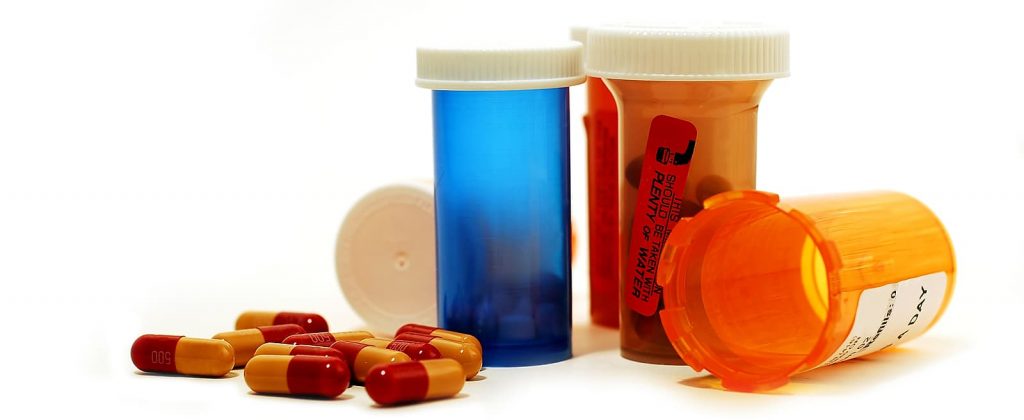
Labeled prescription pill bottles, hospital identification bracelets, specimen cups, and other devices that have patient names or other PHI printed on them are also covered under HIPAA disposal requirements. You can’t throw these in public trash bins and must have the PHI removed or the item destroyed before disposal.
However, you can’t recycle pill bottles in the curbside recycling services due to the type of plastic they’re made of. Luckily, you can find mail-back pill bottle recycling services that will dispose of them in an environmentally friendly way.
Safe Sharps Disposal
From in vitro fertilization (IVF) needles to lancets, sharps are used in a variety of places and for a variety of reasons, making them one of the most common medical waste types. Sharps that have patient names, medical record numbers, or other identifying information on them, would be considered to contain PHI. Even if the sharps themselves don’t have PHI directly on them, if they are in containers or bags that identify a specific patient, they would be associated with that patient’s PHI.
Simply throwing sharps with PHI into the regular trash would be a violation of HIPAA, as it could lead to an unauthorized disclosure of the patient’s private information. Therefore, HIPAA requires the proper segregation, containment, and disposal to maintain compliance when sharps contain PHI.
HIPAA-Compliant Disposal With Medical Waste Pros
If you’re looking for safe, compliant medical waste disposal, we can help. Medical Waste Pros has a national network of professional disposal providers who offer compliant solutions for chemotherapy, pharmaceutical, and biohazardous waste, as well as controlled substances, empty pill bottles, and sharps disposal.
From Burbank to Brooklyn, Medical Waste Pros has helped many clinics, dental offices, med spas and other organizations with their secure and compliant medical waste disposal needs. To join them and let us help you with your medical waste disposal, fill out our form or give us a call at (888) 755-6370 for a free, no-obligation quote from providers in your area.