


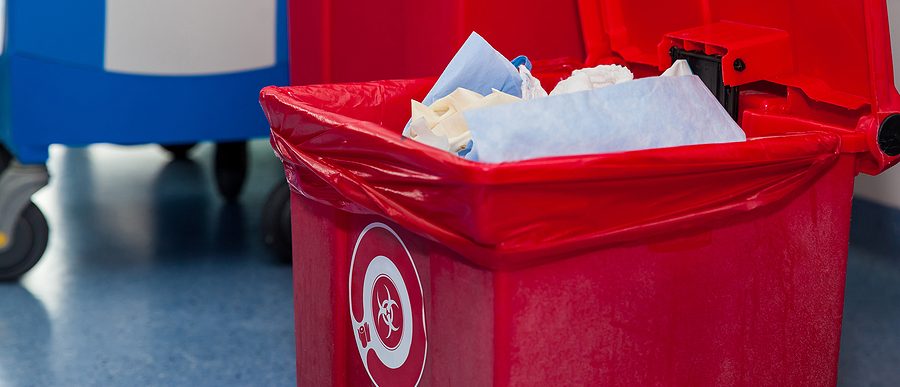
Even for those familiar with medical waste, it might not be obvious that there’s more than one type. It’s actually quite important to distinguish between the different types of medical waste. If they’re not handled according to each type’s requirements, it can mean bad news for everyone involved.
At the basic level, there’s what’s known as regulated medical waste, and general medical waste that’s not regulated (sometimes referred to as personal waste). In this blog, we’ll explain exactly what regulated medical waste is, share some examples of each type, and provide options for safely disposing of regulated medical waste.
Regulated Medical Waste Defined
First, let’s dive into semantics. Medical waste at a high level refers to any waste generated during medical treatment, diagnosis, or research. Medical waste materials that have been contaminated with blood, bodily fluids, or other potentially infectious materials (OPIMs) are all examples of regulated medical waste.
Regulated medical waste, or RMW, is a broad term that covers many types of materials. Exact definitions and terminology for RMW vary by state. Depending on your location, it may be referred to as infectious waste, biomedical waste, or red bag waste. Regulations regarding handling, disposal, and training may also differ.
Categories and Examples of Regulated Medical Waste
While some things can vary by state, there are some general guidelines that can help you segregate medical waste materials properly. Doing so can save you money and mitigate risks from improper handling and disposal.
Regulated medical waste can be broken down into six main categories based on the potential to spread disease. These categories can also vary by state, but they’re commonly organized into the following groups. We’ve included examples as well to help contextualize each category.
Animal Waste
Animal waste includes animal carcasses, body parts, or bedding from animals infected with zoonotic disease or intentionally exposed to pathogens during research, in vivo pharmaceutical testing, or biological production. Some common examples include organs, tissues, and other remains.
Blood, Blood Products, and OPIMs
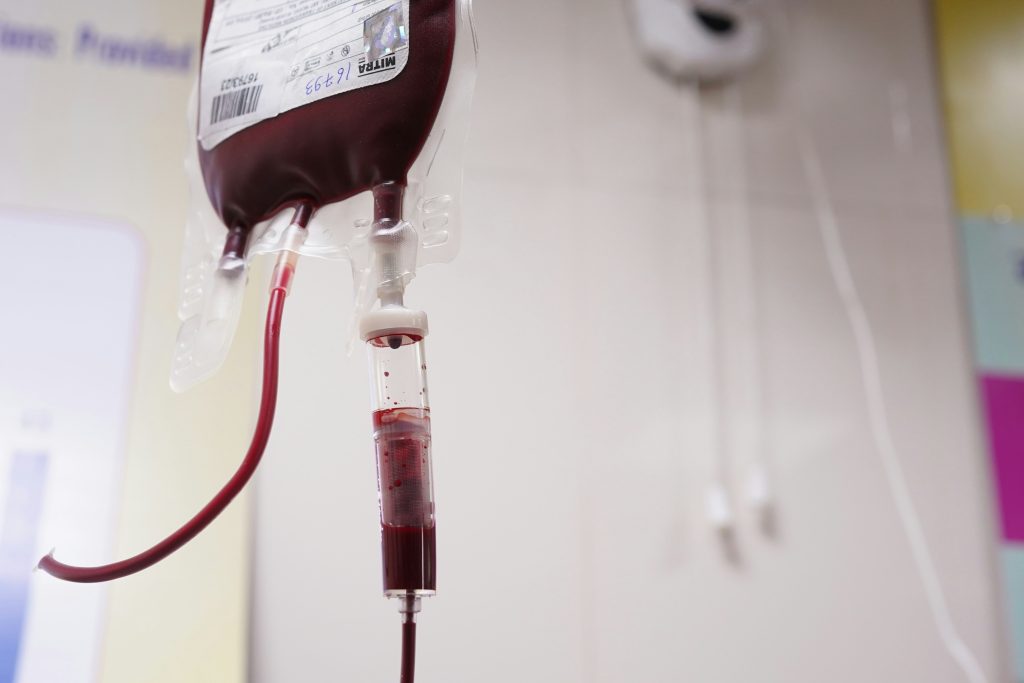
This category covers human blood, human blood components, or products derived from blood (serum, plasma, and other blood components). It also includes any bodily fluid that is visually contaminated with blood or that is difficult to differentiate from blood.
Some common examples include blood spill cleanup materials, drainage from surgery, items saturated with blood or OPIMs, and bodily fluids (semen, cerebrospinal fluid, synovial fluid, pleural fluid, amniotic fluid, pericardial fluid, saliva).
Contaminated Sharps
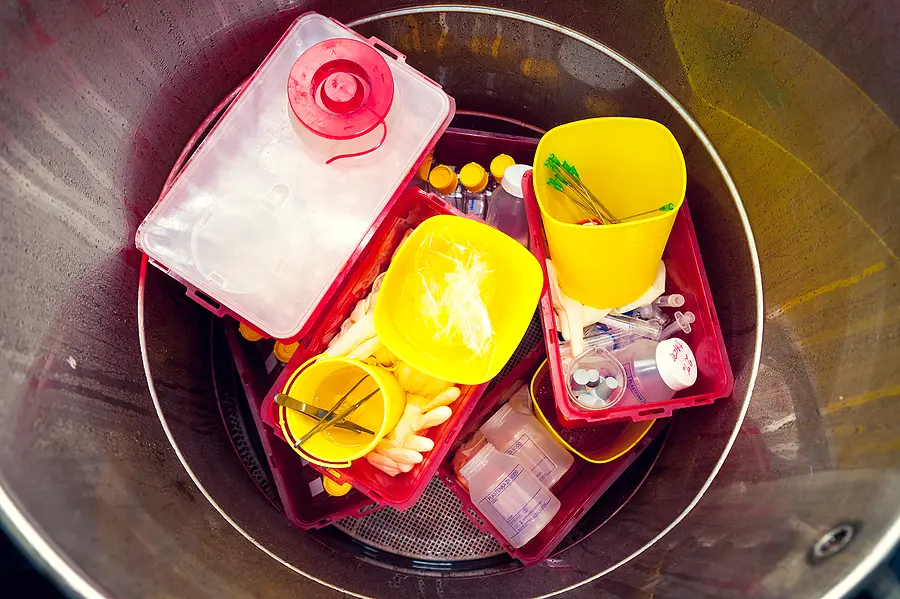
Contaminated sharps include any medical item that can penetrate the skin, puncture waste bags, or cut through cardboard boxes. Devices used in medical care or research for humans or animals also fall under this category. Some common examples include:
- Needles and syringes
- Scalpel and razor blades
- Lancets and pasteur pipettes
- Capillary tubes
- Blood-contaminated broken glass
- Staples and wires (cardio-catheter wires)
- Dental carpules containing blood
Isolation Waste
Isolation waste involves any materials from patients infected with highly communicable diseases. Included here is biological waste and discarded materials contaminated with blood, excretion, exudates, or secretion from isolated humans or animals. A few common examples include gowns, personal protective equipment (PPE) like gloves and masks, soiled bedding, and bandages.
Microbiological Waste
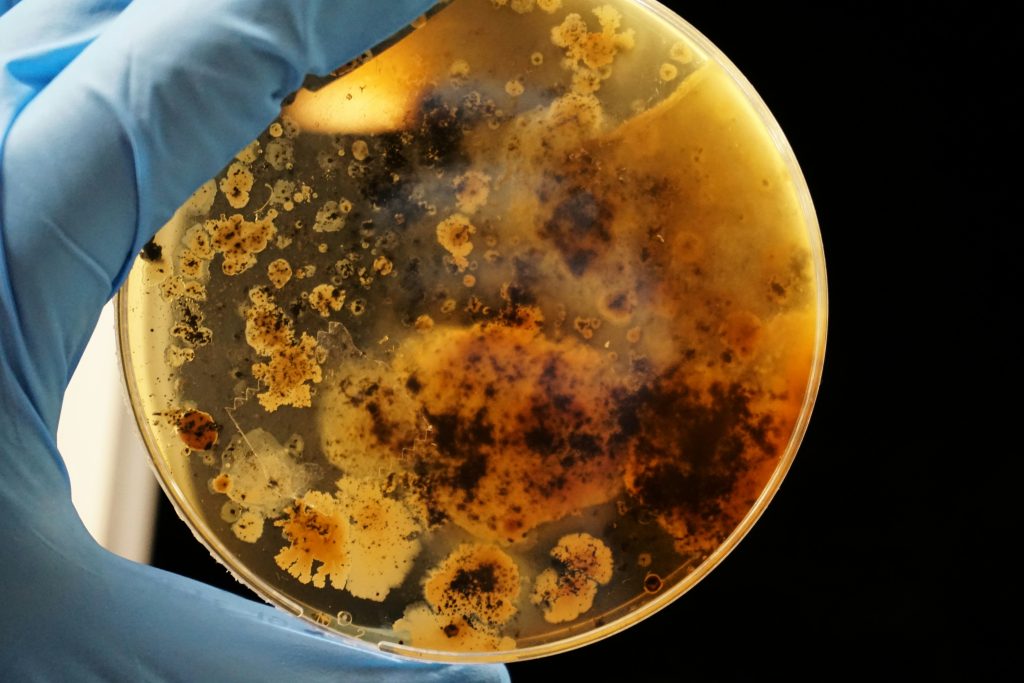
For waste originating from clinical or research laboratory procedures involving communicable infectious agents, it’s categorized as microbiological waste. Cultures and stocks of infectious agents and associated microorganisms and biologicals are covered by this category. Common examples include:
- Culture plates and dishes
- Live and attenuated vaccines
- Cultures and stocks
- Specimens and petri dishes
- Tubes, bottles, and flasks
Pathological and Anatomical Waste
Pathological and anatomical waste are two sub-categories for any tissues, organs, or body parts removed by trauma, surgery, autopsy, studies, or another procedure. Pathological waste refers to small tissue samples to be examined in a lab. Anatomical waste refers to larger, more recognizable human organs and body parts. Common examples include surgical specimens and body material derived from biopsy. Note that some states may not include hair, teeth, and nails in this category.
Why Proper Disposal of RMW Matters
With RMW accounting for roughly 15% of healthcare waste production, the cost of proper disposal can add up quickly. And that cost applies to more than just hospitals. Organizations across many industries generate regulated medical waste:
- Surgery centers, clinics, physician’s offices, dental practices, and veterinarians treat medical conditions and perform procedures that generate RMW.
- Blood banks, cryobanks, clinical laboratories, and research facilities handle human and animal specimens, organic materials and tissues, and blood. They generate waste throughout collection, processing, and handling.
- Businesses like tattoo studios, medical spas, acupuncturists, funeral homes, and assisted living facilities generate RMW with the services they offer. They are subject to the same regulations as healthcare facilities for the handling and disposal of RMW.
With such an expansive landscape of regulated medical waste generators, it’s crucial for these organizations to correctly identify and dispose of RMW. Safe handling, containment, storage, and disposal will prevent the spread of disease, as well as help avoid fines and litigation for improper disposal.
Regulated Medical Waste Disposal via Medical Waste Pros
Because standards and regulations differ from state to state, it can be difficult to track down the specifics for your location. That’s when it’s helpful to rely on experts like Medical Waste Pros. Whether you’re in Chicago or Charlotte, our nationwide network of knowledgeable experts know how to handle RMW in your state.
From controlled substances and empty pill bottles to chemotherapy, biohazardous, and sharps waste, we can simplify disposal for businesses and individuals alike. Give us a call at (888) 755-6370 or fill out the form to receive your free, no-obligation quotes from providers near you.