





Certified Medical Waste Disposal Providers Serving Omaha
Every provider in the Medical Waste Pros Omaha network holds the certifications that Nebraska’s healthcare facilities and regulated waste generators require. Our providers maintain ISO 14001 Environmental Management System certification, documenting systematic environmental protection across collection, transport, and treatment. ISO 45001 Occupational Health and Safety certification governs worker safety throughout the disposal process. ISO 9001 Quality Management System certification ensures consistent, auditable service delivery. Providers holding membership in the Healthcare Waste Institute (HWI) follow industry best practices for responsible management of infectious and hazardous healthcare waste. All providers operate in compliance with the Nebraska Department of Environment and Energy’s (NDEE) Title 132 treatment requirements and comply with the Resource Conservation and Recovery Act’s (RCRA) federal hazardous waste framework.
Nebraska’s Treatment-First Framework: What “Infectious Waste” Means for Omaha Generators
Nebraska regulates medical waste under the Nebraska Department of Environment and Energy (NDEE)’s Title 132 – Integrated Solid Waste Management Regulations. Nebraska’s framework has several features that distinguish it from how medical waste is regulated in other states, and understanding these differences is important for Omaha generators, particularly those operating in multiple states or new to Nebraska.
Nebraska Uses “Infectious Waste” Not “Medical Waste”
Nebraska’s regulations do not use the term “medical waste” as a regulatory category. Instead, Title 132, Chapter 1, §053 defines “infectious waste” as “a solid waste capable of causing an infectious disease to humans.” Not all waste generated in a medical setting is infectious waste under this definition — non-infectious medical waste may be disposed of in a permitted municipal solid waste landfill like ordinary trash. It is the generator’s responsibility to determine whether their waste is infectious and manage it accordingly. There is no state permit application or Local Enforcement Agency (LEA) registration process analogous to California’s or Florida’s programs: compliance is self-administered and demonstrated through proper treatment and disposal practice.
Infectious Waste Must Be Rendered Non-Infectious Before Disposal
Title 132, Chapter 13, §004 requires that infectious waste shall not be disposed of at any solid waste disposal area unless first rendered non-infectious by incineration, autoclaving, or another approved treatment method. Once properly treated, the waste may be disposed of at a permitted municipal solid waste facility. All biohazardous liquids must be decontaminated before drain disposal. Infectious waste from households is exempt — household-generated infectious waste may be disposed of in regular household trash, though sharps should be contained to protect collection workers.
Sharps: Contained and Transported by Permitted Haulers
Sharps must be placed in puncture-resistant, leak-proof containers. All off-site transport of infectious waste must use permitted haulers, and generators retain cradle-to-grave responsibility for downstream disposal. The OSHA Bloodborne Pathogen Standard (29 CFR § 1910.1030) and the Needlestick Safety and Prevention Act apply to all Omaha employers with occupational exposure to blood or potentially infectious materials. The Department of Transportation’s (DOT) Hazardous Materials Regulations (49 CFR Parts 171–180) govern off-site transport packaging and documentation.
Hazardous Pharmaceutical Waste: A Separate Framework
Pharmaceuticals meeting Resource Conservation and Recovery Act (RCRA) P-list or U-list criteria are classified as hazardous waste managed by NDEE under Nebraska’s Hazardous Waste Regulations, separate from the infectious waste framework. Non-hazardous pharmaceutical waste follows the general solid waste pathway once rendered non-infectious or the medical waste pathway when also constituting infectious waste. Controlled substance disposal requires Drug Enforcement Administration (DEA) authorization under 21 CFR Part 1317.
Omaha Shredding Company Network Statistics
Commercial vs Residential Shredding in Omaha
Average Local Shredding Order Size
Businesses/large organizations and high-volume residential customers are matched to Omaha-area shredding companies with the required certifications and service offerings.
| Shredding Customer | Average # of Boxes |
|---|---|
| Business and Government | 1.2 |
| Residential and Home Office | 0 |
| Small Volume Drop-Off | 1 |
| Local Shredding Drop-Off Sites | 3 |
Most Popular Industries Served
| Healthcare Systems |
| Tattoo Shops |
| Medical and Surgical Centers |
Industry Spotlight: Omaha’s Academic Medicine and Health Research Ecosystem
Omaha’s standing as a national academic medicine center creates a category of infectious waste generation that is distinct from ordinary clinical care and that many generators in the university and research sector may not fully recognize as regulated. Nebraska’s treatment-before-disposal requirement applies to all research and educational infectious waste: laboratory cultures, blood and blood products from research protocols, pathological specimens, and contaminated sharps from clinical training must all be rendered non-infectious before disposal, regardless of their academic or research origin. Medical Waste Pros connects laboratories and research programs at Omaha’s academic medical institutions with certified local providers offering medical waste disposal and biohazardous waste pickup built for research and academic health environments.
Our Most Commonly Requested Medical Waste Disposal Services
Our network of certified local providers can handle virtually any medical waste disposal need. Here are the most commonly requested services in our Omaha network:
Regulated Medical Waste Disposal for Nebraska Medicine, CHI Health, and Omaha’s Hospital Systems
Three hospital systems anchor Omaha’s clinical infectious waste landscape. Nebraska Medicine operates a Level I Trauma Center, and houses the Lied Transplant Center and the Fred & Pamela Buffett Cancer Center. CHI Health operates multiple Omaha campuses and Nebraska Methodist Hospital and Children’s Nebraska, the state’s only Level II Pediatric Trauma Center and Level IV regional NICU, round out the major systems. The Omaha VA Medical Center provides acute care to veterans from Nebraska, western Iowa, and parts of Kansas and Missouri. Medical Waste Pros connects hospitals and surgery centers throughout Omaha with certified local providers offering scheduled medical waste disposal with treatment-verified chain-of-custody documentation meeting Nebraska Department of Environment and Energy’s (NDEE) Title 132 requirements. Learn more about biohazardous waste disposal services for healthcare facilities.
Pharmaceutical Waste and Chemotherapy Waste Disposal for Omaha Facilities
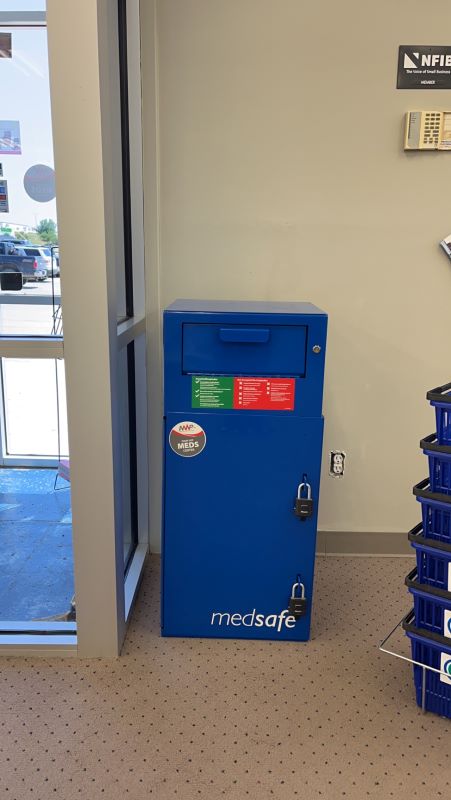
Omaha’s pharmaceutical and chemotherapy waste landscape is shaped by the Fred & Pamela Buffett Cancer Center’s active clinical and research programs, the Omaha VA Medical Center’s significant controlled substance management obligations, and the dense network of outpatient oncology and infusion clinics serving the metro. Chemotherapy waste must be characterized to determine whether it meets the Resource Conservation and Recovery Act’s (RCRA) hazardous waste criteria; the Nebraska Department of Environment and Energy (NDEE) administers hazardous waste under a separate framework from Title 132’s infectious waste rules. Non-hazardous pharmaceutical waste follows the infectious waste pathway if contaminated with potentially infectious materials, or the general solid waste pathway once rendered non-infectious. Controlled substance disposal requires Drug Enforcement Administration (DEA) authorization under 21 CFR Part 1317. Medical Waste Pros connects pharmacies and pharmaceutical companies and long-term care facilities and hospice programs with Omaha providers offering pharmaceutical waste disposal and medication drop-off options.
Infectious Waste Disposal for UNMC, Creighton, and Omaha’s Research Institutions
As described in the industry spotlight above, UNMC’s six health sciences colleges, its EDGE District innovation campus, the Munroe-Meyer Institute, Creighton University School of Medicine, and Boys Town National Research Hospital collectively generate infectious waste from research, education, and clinical activities that extends well beyond standard patient care waste streams. Laboratory cultures, research-grade blood products, pathological specimens from research protocols, contaminated sharps from clinical training simulators, and infectious materials from drug discovery programs all fall under Nebraska’s treatment-before-disposal requirement. Research programs at UNMC and Creighton operating clinical trials also generate infectious waste from trial procedures and biological sample management. Medical Waste Pros connects research laboratories and health sciences programs at Omaha’s academic medical institutions with certified local providers offering biohazardous waste pickup and sharps disposal programs structured for research and academic health environments.
Medical Waste Disposal for Omaha’s Financial Sector and Corporate Campus Health Programs
Omaha’s extraordinary concentration of major corporate headquarters makes it one of the highest-ratio Fortune 500 cities per capita in the country. These employers operate employee health programs, occupational health clinics, and corporate wellness centers that generate infectious waste from workplace vaccination programs, blood draws for annual health screenings, injury management, and drug testing involving sharps. Nebraska’s infectious waste rules apply to these corporate health programs just as they do to clinical facilities: if the waste is capable of causing an infectious disease, it must be treated before disposal or transported by a permitted hauler for off-site treatment, regardless of the corporate rather than clinical origin. Medical Waste Pros connects corporate campus health clinics and occupational health programs at Omaha’s financial and corporate headquarters with certified local providers offering medical waste disposal and sharps disposal programs built for corporate health environments. Learn more about medical waste disposal for businesses under the Nebraska Department of Environment and Energy (NDEE) framework.
Omaha’s combination of three major hospital systems anchored by the state’s largest academic medical center, one of the Midwest’s most productive biomedical research and education ecosystems, an extraordinary concentration of Fortune 500 corporate headquarters whose campus health programs generate infectious waste, and a young and growing population supporting active dental and body art markets makes its medical waste profile among the most economically diverse of any mid-size American city. Nebraska’s treatment-first framework — generator self-determination, no state permit requirement, treatment before disposal, and the household exemption — is straightforward once understood but differs meaningfully from how most other states regulate the same waste. Medical Waste Pros makes it straightforward to find a certified local provider who understands NDEE’s Title 132 “infectious waste” framework and the specific waste streams your facility generates. Get a free quote to get started.