


What is Regulated Medical Waste?
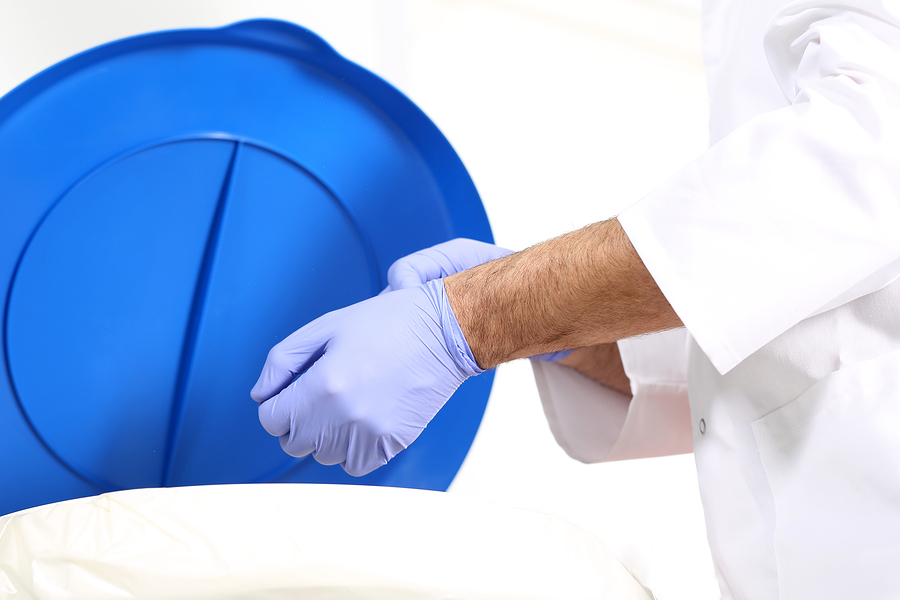
While “medical waste” refers to an extensive range of waste materials produced by facilities and businesses in the healthcare industry, several clearly defined categories of medical waste exist. However, not all medical waste is considered regulated or requires special handling, also considered common medical waste. Regulated medical waste refers specifically to portions of the waste stream that are potentially infectious or biohazardous. Therefore, it requires proper management and disposal per state and federal regulations
Proper segregation, containment, treatment, and disposal of regulated medical waste is crucial to protect human health and the environment from exposure to infectious diseases and hazardous materials. In this blog, we’ll explore what constitutes regulated medical waste, the risks it poses, and best practices for its safe and compliant management.
What is Regulated Medical Waste?
Regulated medical waste (RMW), also known as ‘biohazardous’ or ‘infectious’ medical waste, is the portion of the waste stream that may be contaminated by blood, body fluids, or other potentially infectious materials. Therefore, it poses a significant risk of transmitting infection.
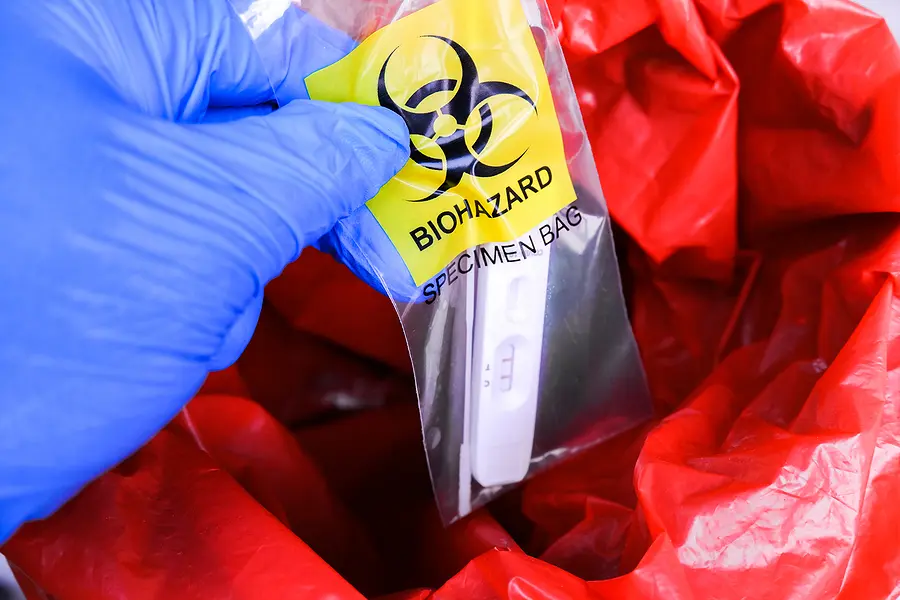
On a federal level, the term “medical waste” is loosely defined. OSHA’s Bloodborne Pathogens Standard — which is the central regulated medical waste disposal guideline — defines regulated medical waste as:
“liquid or semi-liquid blood or other potentially infectious material (OPIM); contaminated items that would release blood or OPIM in a liquid or semi-liquid state if compressed; items that are caked with dried blood or OPIM and are capable of releasing these materials during handling; contaminated sharps; and pathological and microbiological wastes containing blood or OPIM.”
OPIMs most typically refer to human blood or anything that has been contaminated with it, but can also include materials contaminated with other bodily fluids such as:
- Semen
- Vaginal secretions
- Cerebrospinal fluid (fluid surrounding the brain and spinal cord)
- Synovial fluid (fluid surrounding bone joints)
- Pleural fluid
- Pericardial fluid
- Peritoneal fluid
- Amniotic fluid
Most state laws require regulated medical waste to be rendered non-infectious before disposal as solid waste. RMW is usually treated through treatment methods like autoclaving, incineration, and chemical disinfection. It’s primarily regulated by state environmental and health departments. However, regulations vary significantly across states regarding segregation, packaging, storage, transportation, treatment, and disposal requirements, so it’s important to know what your state requires.
6 Types of Regulated Medical Waste
Aside from OPIMs , there are six different subcategories of regulated medical waste. These include the following:
| Type of Regulated Waste | Details |
| Pathological or Anatomical Waste | Anatomical waste is all human and animal wastes that are clearly identifiable as body tissues, organs, or body parts.
Pathological wastes are human tissue samples collected to try to better understand a patient’s disease or ailments. |
| Human Blood and Blood Products | Blood waste, serum, plasma, and blood products top the list of body fluids that can transfer disease. |
| Cultures and Stocks of Infectious Agents | These include specimens from medical and pathology laboratories, culture dishes, and devices used to transfer, inoculate, and mix that are likely to contain organisms that may be pathogenic to healthy humans. This category also includes discarded live and attenuated vaccines. |
| Contaminated Sharps | These are any items that can induce subdermal inoculation of infectious agents or that can easily penetrate the skin, puncture waste bags and cardboard boxes such as hypodermic needles, syringes, Pasteur pipettes, capillary tubes, razor blades, scalpel blades, and broken glass from the laboratory.
Sharps require special handling and packaging under both OSHA and DOT. Refer to your state’s guidelines when identifying what items are classified as sharps. |
| Isolation Waste | Isolation waste is any biological or contaminated waste generated from isolated or quarantined humans and animals to protect others from highly communicable diseases. |
| Contaminated Animal Parts and Bedding | Any animal carcasses, body parts, bedding, and related wastes that may have been exposed to infectious agents during research, production of biologicals, or testing of pharmaceuticals are considered to be contaminated and must be properly disposed of. |
What is Common Medical Waste?
Sweat, tears, saliva (except in dental procedures), urine, feces, and vomit are not considered OPIMs. However, you must dispose of them properly.
This distinction is critical because — as the term points out — the materials in OPIMs are potentially infectious and harmful to human health. OSHA guidelines are focused on regulated medical waste. But common medical waste requires proper disposal as well.
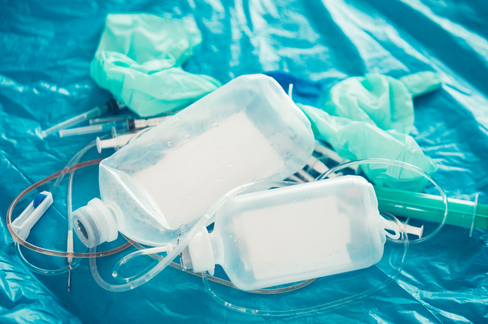
As you can imagine, practically all biological waste could contain OPIMs, but much medical waste does not fit this criterion. In fact, a great deal of the medical waste generated is considered common medical waste. Common medical waste can include any materials that contain sweat, urine, feces, or saliva since these are not considered to be OPIMs. Just a few examples of common medical waste include, but are not limited to:
- Empty IV bags
- Empty stool or urine containers
- Foley/catheter bags
- Bedpans
- Exam gloves
- Unused medical products and supplies (excluding unused sharps).
Because this definition is so broad, however, state legislation often defines regulated medical waste and handling guidelines further. Each state’s medical waste definitions and guidelines vary slightly. Be sure to check with your local laws before you act.
Protect Your Business and Employees with Compliant Medical Waste Disposal Services
As a medical waste producer, you must responsibly dispose of this waste. Failing to do so can cause severe harm to innocent people and cost you your business. Medical Waste Pros understands that this process is complicated and fraught with opportunities to make errors, which is why we’ve developed tried-and-true compliant methods to handle your medical waste with ease.
We offer several medical waste services across a variety of industries and are fully equipped to meet your medical waste needs. To learn more about our medical waste services, request a free quote by filling out the form or give us a call at 888-755-6370.