


Waste Management Challenges in Healthcare

The handling, disposal, and recycling of medical waste are waste management challenges for healthcare businesses. Companies must adhere to regulatory standards, continually remember the health risks, consider the environmental threat posed by their policies, and attempt to overcome the obvious and less obvious challenges of medical waste disposal.
What do you do with 16 billion syringes after you use them? The world asks that question every year, and some parts do not answer adequately. A simple needle used to administer a life-saving vaccine can potentially infect and kill if not disposed of properly.
What Qualifies As Medical Waste?
Any material which contains bodily fluids has the potential to be infectious. It is medical waste. However, any waste generated in creating medical waste is also medical waste. As much as 85% of medical waste is non-hazardous. The packaging for a syringe, bandages wrapping a wound, masks, gloves, gowns, cotton swabs, and even the paper you sit on in the exam chair are all medical waste.
Stocks and cultures from labs, animal waste from lab animals, the carcasses of those animals, and the hosts of chemicals, sterilant, and reagents used in labs are medical waste. The list goes on, and it piles up into a large heap.
Walking The Regulatory Maze
Federal, state, and local regulations abound regarding medical waste management. Below are just a few of the federal laws that dictate medical waste disposal requirements.
| Law or Regulation | Key Requirements |
| Health Insurance Portability and Accountability Act (HIPAA) and Health Information Technology for Economic and Clinical Health Act (HITECH) | Applies when protected health information on patient labels, prescription bottles, or accompanying documentation is present in the waste stream — making documented, secure disposal a HIPAA compliance obligation as well as an environmental one. |
| OSHA Bloodborne Pathogen Standard | Requires any employer whose workers may have occupational exposure to blood or other potentially infectious materials to implement engineering controls, work practice controls, and personal protective equipment protocols — including proper sharps container use and the handling and disposal of regulated waste. |
| Needlestick Safety and Prevention Act of 2000 | Imposes additional requirements for sharps injury prevention and engineering controls. |
| Resource Conservation and Recovery Act (RCRA) and its Hazardous and Solid Waste Amendments (HSWA) | Govern pharmaceutical and hazardous waste disposal under the Environmental Protection Agency’s (EPA) authority, establishing cradle-to-grave management obligations for hazardous waste pharmaceuticals and chemical waste. |
| DOT Hazardous Materials Regulations | Govern the safe transport of medical and hazardous waste in commerce, requiring proper packaging, labeling, placarding, and documentation by transporters. |
Large corporations usually aren’t intimidated by the long list of regulations they must comply with. They have teams of lawyers with briefcases full of definitions and explanations of the laws. When someone slips and makes an error, the resulting fine is merely an issue for an accountant.
On the other hand, the small business owner is in a different spot. The regulations apply as equally to them as they do to a corporation. However, if the small business lets something fall through the cracks, a $50,000 fine is likely to put him out of business. Knowing the right thing to do can be the biggest medical waste management challenge.
The Health Risks Of Medical Waste
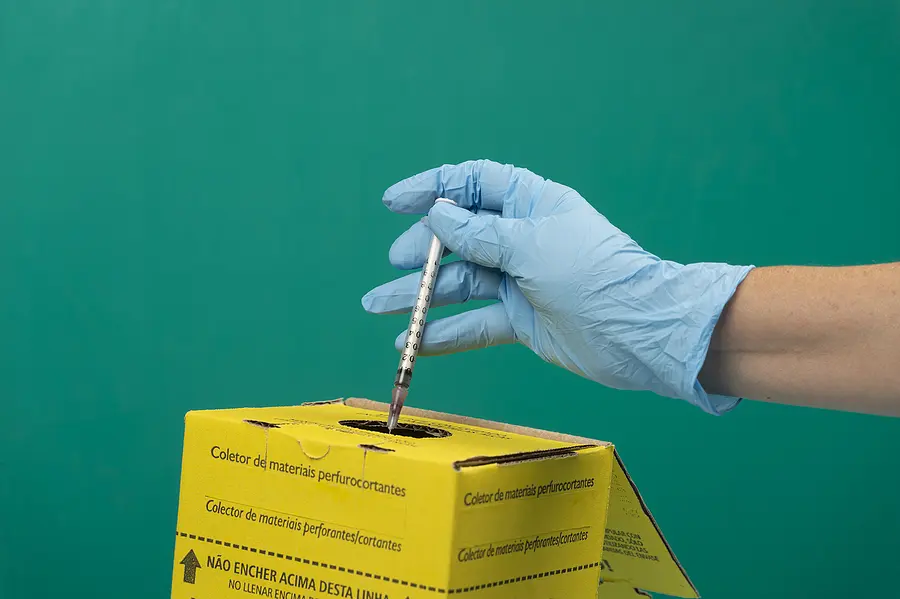
The danger of direct exposure is an obvious risk. Yet, medical waste is commonly scavenged in some parts of the world. Direct exposure is also a risk during the sorting and handling of medical waste at disposal sites. Needle sticks and the reuse of needles are additional risks.
Perhaps the best response to these challenges is education. People are a lot less likely to wander into a cave when they know a bear is inside. Campaigns are waged to prevent the reuse of needles, and continuous evaluations of medical waste handling protocols effectively address health risk challenges. However, there are still parts of the world that have never heard of these things. Reaching them is a critical challenge.
The Environmental Threat
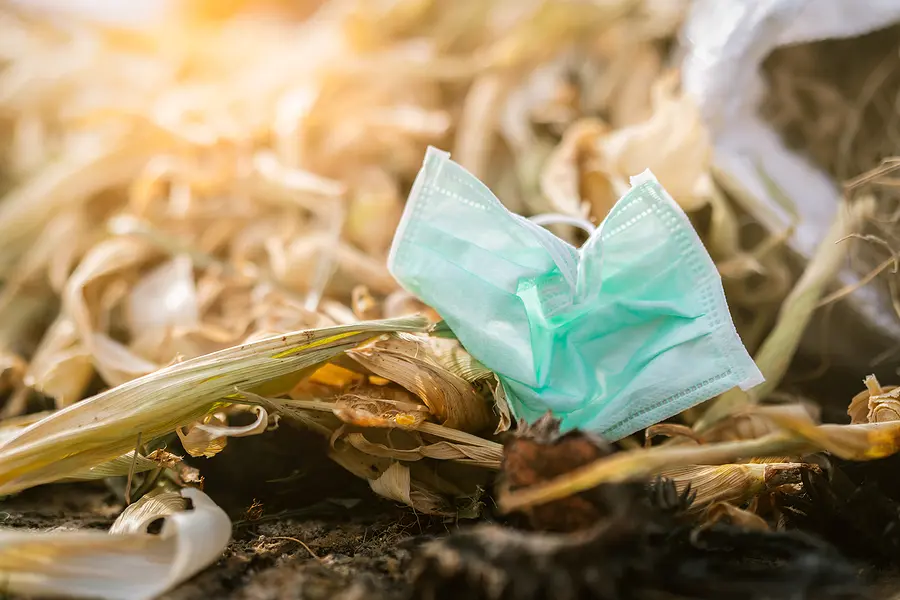
Disposal of untreated medical waste can contaminate the ground beneath it and contaminate drinking, ground, and surface water. However, treating medical waste with chemicals can result in chemical contamination of the surrounding area.
Burning medical waste is standard practice; however, incineration at disposal sites is challenging since it releases toxins and particulate matter into the air. Incineration of heavy metals or materials with high metal content (in particular lead, mercury, and cadmium) can spread toxic metals in the environment. Moreover, incinerated materials containing or treated with chlorine can generate dioxins and furans, which are human carcinogens.
Landfills must be correctly constructed to prevent ground and water contamination. Chemicals used to treat waste must be used following regulatory requirements. Incineration must be done at temperatures over 850 – 1100° C. In addition, adequate screens and filters are necessary on incinerator exhausts to prevent the release of contaminants and particulates into the atmosphere.
Overcome the Medical Waste Management Challenges with Medical Waste Pros
A single hospital can produce a ton of medical waste in only one day. The challenges are not going to go away. We won’t go away, either. Medical Waste Pros will stand beside you and make sure you find the service solutions you need to meet all the challenges that come your way. Call us at (888) 755-6370 or fill out the contact form to receive free quotes on our medical waste disposal services today.